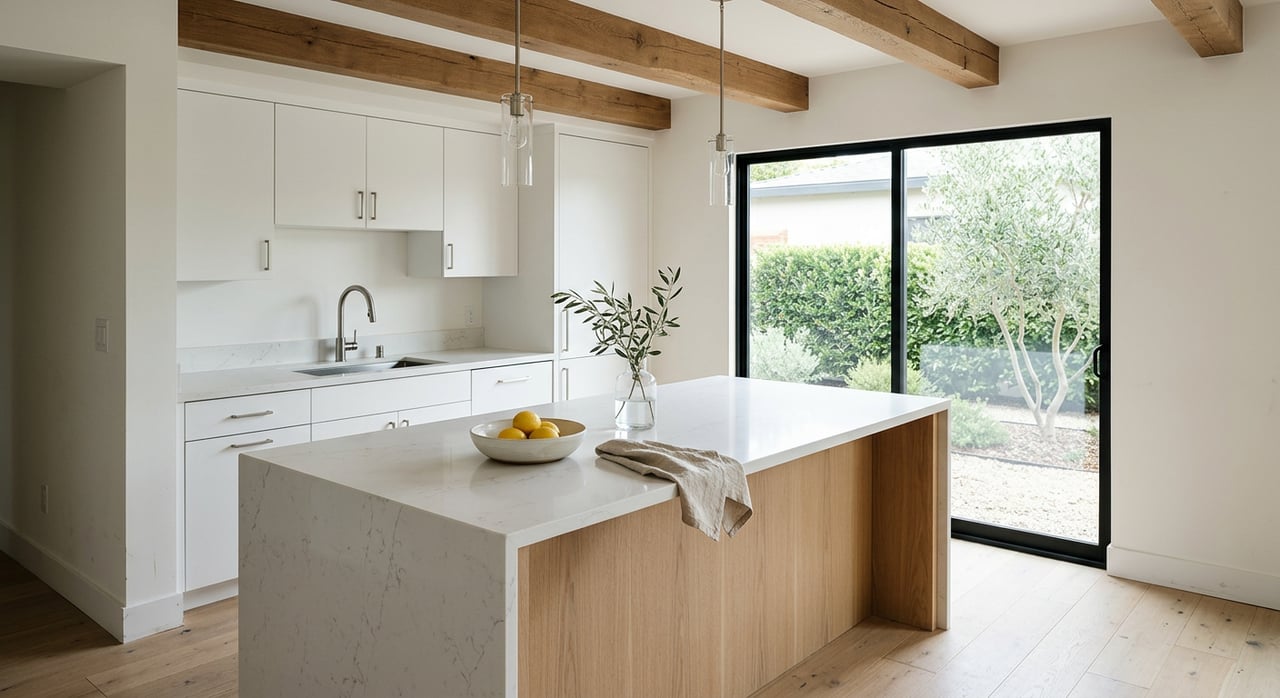
Should You Sell Your Arroyo Grande Home Now?
March 5, 2026
March 5, 2026
Thinking about selling your Arroyo Grande home but not sure if now is the right moment? You are not alone. With prices near the million‑dollar mark and rates easing, many Central Coast owners are weighing whether to list this spring or wait. In this guide, you will get a clear picture of today’s market, what changing mortgage rates mean, and a practical checklist to decide with confidence. Let’s dive in.
Arroyo Grande has held steady near the $1 million band. Recent vendor snapshots show a median sale price around $1.1 million, typical days on market in the mid‑30s, and sale‑to‑list ratios just over 100% based on early 2026 figures from Redfin. Zillow’s typical home value reads closer to $1.01 million through late 2025. Differences are normal because each platform uses distinct data windows and definitions.
At the county level, values are lower on average than the city, and inventory has increased from late 2025. The California Association of REALTORS reported an Unsold Inventory Index near 4.4 months for January 2026, which signals more selection for buyers compared to last fall. Buyers for Arroyo Grande often shop the broader Central Coast, so this county context matters.
Two quick cautions help you read the numbers well:
Lower mortgage rates are giving buyers more purchasing power. The 30‑year fixed averaged about 5.98% in late February 2026, according to the weekly Primary Mortgage Market Survey from Freddie Mac. Easing rates typically bring more financed buyers back into the market.
Statewide, the California Association of REALTORS expects buyer activity to improve with rates off their peaks, although price gains may be modest. See C.A.R.’s January 2026 update for the statewide and Central Coast narrative on sales and inventory (C.A.R. report).
Seasonally, early to mid‑spring tends to deliver more listing views and faster offers than winter. National analyses point to mid‑April windows as strong for seller traffic. If you have flexibility, timing a spring launch can help your days on market and exposure.
The local economy is also supportive. San Luis Obispo County’s preliminary late‑2025 unemployment readings were in the mid‑4% range, suggesting a stable job base across tourism, education, and health services. You can review the county’s monthly labor details through the Workforce Development Board’s update (SLO County labor report).
Use this checklist to make a confident call for your situation.
Pull a focused MLS snapshot for the last 30 to 90 days that matches your home’s profile. Ask your agent to provide:
If the data shows rising inventory in your band, plan for sharper pricing and stronger presentation. If supply is thin and recent sales are closing near or above list, a well‑prepared listing can capture momentum.
Know what you will walk away with before you list. Build a simple net sheet that includes:
Many sellers use a 5% to 5.5% range for total listing and buyer‑agent fees nationally in 2025 plus 1% to 3% for closing costs and transaction fees. Your exact costs vary by agreement and services included.
On taxes, most homeowners can use the federal home‑sale exclusion if they meet the rules. Review the IRS’s plain‑English guide to confirm eligibility and amounts (IRS Publication 523). California also requires real estate withholding in many cases at closing unless you qualify for an exemption. The Franchise Tax Board explains the process and exemptions on Form 593 (FTB Form 593 guidance).
If you are selling an investment property, 1031 exchanges allow you to defer capital gains by rolling proceeds into another like‑kind investment. These exchanges have strict timelines and identification rules. Consult your tax advisor early, and line up a qualified intermediary if this path fits your plan. For primary residences, 1031 does not apply.
A pre‑listing inspection and smart, targeted improvements can reduce renegotiation risk and shorten days on market. Staging has a measurable impact on buyer perception and speed. The National Association of REALTORS found staged homes often sell faster and can attract higher offers. You can review highlights in NAR’s staging report (NAR staging insights).
In California, you also need to prepare required disclosures. That includes the Natural Hazard Disclosure and transfer disclosures, and any known facts about hazard zones such as fault or seismic areas, flood risk, and high fire severity zones. The California Geological Survey explains state fault and seismic hazard mapping and policy for reference (California Geological Survey overview). Your agent, escrow, or title team will guide you on the correct forms for Arroyo Grande.
If you need to buy after selling, decide your approach upfront:
The right path depends on your timeline, equity, and comfort with moving parts. A clear plan reduces stress and helps you negotiate from strength.
Arroyo Grande’s active price bands often stretch from the mid‑$900s to the low‑$1.3 millions. Buyers in this range are selective and compare across the Five Cities and inland options. Center your pricing on the most recent 90‑day MLS comps that match your home’s features. Consider strategic pricing just below key search thresholds to expand your buyer pool.
Your buyer might live in San Luis Obispo County, Los Angeles, the Bay Area, or Santa Barbara. Messaging that highlights the Central Coast lifestyle, proximity to Pismo Beach and wineries, and easy access to the Village resonates with out‑of‑area shoppers. Pair professional photography with a compelling virtual tour and a clear feature list. If your home fits remote‑friendly living or lock‑and‑leave patterns, say it plainly.
These moves reduce buyer friction and help you keep more of your asking price.
Strong pre‑approval letters and proof of funds should be standard. In more competitive pockets, prioritize clean offers and shorter timelines. If your price band is moving slower, prepare for inspection and appraisal negotiations. The goal is a balanced agreement that protects your net while keeping the deal on track.
Here is a simple way to estimate proceeds before you commit:
If your numbers look tight, your agent can help you model alternative list strategies, light improvements that boost value, or a slightly later launch if spring demand is building.
A short, intentional delay used for prep or timing often pays for itself in a stronger launch and smoother escrow.
If you need to move soon, today’s Arroyo Grande market supports well‑priced, well‑prepared listings, and easing mortgage rates are helping financed buyers re‑enter. If you have flexibility, prepare now and target an early to mid‑spring launch to ride higher buyer traffic. In both cases, your best outcome comes from precise comps, smart prep, and a clear plan for your next move.
Ready to talk strategy for your Arroyo Grande home? Schedule a brief consult with Jay Peet to review your comps, timing, and net sheet, then choose the plan that fits your goals.
Stay up to date on the latest real estate trends.




Whether it’s the acquisition, sale, or exchange of an investment, a development opportunity, cost segregation, or simply the sale or purchase of a family home, we are here to assist you in accomplishing your goals.