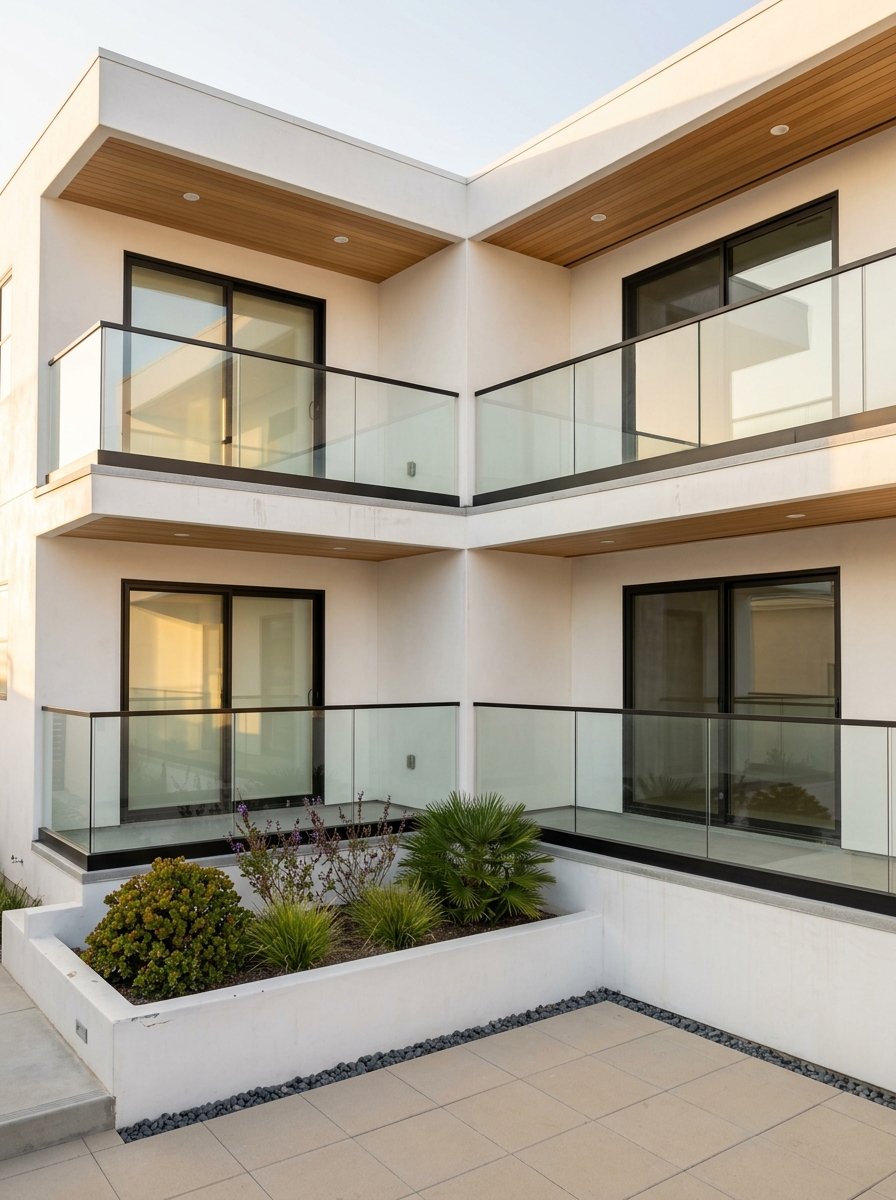
Pismo Beach Condo Or House: How To Choose
July 2, 2026
July 2, 2026
Choosing between a condo and a house in Pismo Beach is not just about square footage. In a beach town shaped by tourism, parking rules, zoning, and rental limits, the better fit often comes down to how you want to live and what responsibilities you want to manage. If you are weighing a full-time home, second home, or investment-minded purchase, this guide will help you compare the real tradeoffs with more clarity. Let’s dive in.
Pismo Beach is not an average housing market. The city identifies itself as a recreation- and tourism-oriented town with a well-known pier, beaches, restaurants, and hotels, which means beach access, parking, and rental rules can have a bigger effect on your decision than they might in an inland community.
That local context changes the condo-versus-house conversation. A property that looks ideal on paper may feel very different once you factor in walkability, exterior upkeep, association rules, and whether your plans involve guests, extra cars, or rental income.
Current market data also helps frame the decision. Over the three months ending May 2026, Redfin reported a median sale price of $1,410,406 in Pismo Beach, with 11 condos for sale at a median listing price of $888,000.
That does not mean every condo is a bargain or every house is out of reach. It does suggest that condos may offer a lower entry point in the current market, especially if you want to get into Pismo Beach while keeping your budget more contained.
If you want more convenience and less day-to-day exterior work, a condo may make sense. In California, condo living usually means an HOA handles common-area maintenance, while you remain responsible for your separate interest.
For many buyers, that setup is appealing. You may spend less time worrying about shared roofs, exterior spaces, or common amenities, and more time enjoying the coastal lifestyle you came for.
Pismo Beach’s downtown core is the center of its beach-and-pier activity. Because downtown parking is regulated, with paid parking in the core area from 10:00 a.m. to 6:00 p.m. daily, some buyers prefer a home base that makes it easier to walk to restaurants, the beach, and local attractions.
In that setting, condos near the core often line up well with buyers who value convenience and easy access over extra land or added privacy. If your ideal routine includes leaving the car parked and walking to the waterfront, condo living may match that goal.
The tradeoff is structure. California HOAs create and enforce rules, collect dues, and operate under governing documents such as CC&Rs and bylaws.
That means a condo is not just a home purchase. It is also a decision to live within an association framework that can affect parking, exterior changes, pet rules, and in some cases rental use.
A condo’s monthly dues are only part of the story. Annual budget reports must disclose reserve summaries, anticipated special assessments, loan information, insurance summaries, and for condos, FHA and VA project status.
This is one of the most important parts of condo due diligence. A well-run association with healthy reserves can reduce surprises, while weak reserves or pending assessments may affect your monthly cost and long-term comfort level.
If privacy, flexibility, and direct control matter most to you, a house may feel like the stronger choice. Many buyers prefer the idea of having more freedom over outdoor use, parking, and customization.
That said, house does not always mean no HOA. Some single-family homes are still subject to association rules and dues, so it is important to verify the property itself rather than assume.
Parking can be a bigger lifestyle factor in Pismo Beach than buyers first expect. With paid parking in the downtown core, buyers who want easier parking for multiple cars or frequent guests may find that a house farther from the core is a more comfortable fit.
This does not make one option better than the other. It simply means your daily routine matters. If you prioritize simple beach access on foot, a condo may win. If you prioritize parking flexibility, a house may be more practical.
More autonomy usually means more responsibility. If a house sits outside an HOA, you generally carry more of the maintenance burden for the structure and site.
For some buyers, that responsibility is worth it. For others, especially second-home owners or buyers who want lower-maintenance ownership, it can feel like more time, cost, and coordination than they want.
In Pismo Beach, zoning is not something to gloss over. The city uses two zoning codes depending on whether a property is inside the Coastal Zone or outside it, and zoning can affect permitted uses, setbacks, height, and parking.
That is why broad neighborhood assumptions can be risky. You should verify the exact parcel, not just the area name or general location, before deciding a condo or house fits your plans.
This is especially important if you care about future flexibility. Two homes that seem similar from the street may have very different rules tied to their zoning or Coastal Zone status.
For buyers thinking long term, that can shape remodeling potential, parking expectations, and rental possibilities. In Pismo Beach, property type is only part of the decision. Land use rules matter too.
If rental income is part of your thinking, you need to start with city rules before falling in love with a property. Pismo Beach states that no new short-term rental licenses have been issued since November 7, 2023, and permits do not transfer with sale.
The city also notes that vacation rentals are allowed only in certain zoning districts and are limited to existing permitted residential properties. Owners of vacation rentals and short-term rentals must also have a business license and TOT certificate.
Even if a property appears to fit city rules, private restrictions may still apply. HOA CC&Rs or deed restrictions can limit or prohibit short-term rentals.
That means a condo buyer has two layers to review: city regulations and association documents. A house buyer may have more autonomy in some cases, but still needs to confirm zoning, permits, and any recorded restrictions.
Pismo Beach also requires a responsible party within 25 miles, two on-site parking spots for vacation rentals, and mailed notice to nearby owners and residents as part of the application process.
For investor-minded buyers, those details matter just as much as location. The key question is not whether a property could be a rental in theory. It is whether the actual business model works under the city’s rules and the property’s private restrictions.
Before you decide between a condo and a house in Pismo Beach, ask questions that get beyond curb appeal:
These questions can save you time and help you compare options more realistically. In a market like Pismo Beach, the best choice usually becomes clearer once you match the property’s rules and responsibilities to the way you actually plan to use it.
A condo in Pismo Beach often makes the most sense if you want lower exterior maintenance, walk-to-beach convenience, and a potentially lower entry point in the current market. A house often makes more sense if you want more privacy, more flexibility, and easier control over your space, while accepting the added upkeep that comes with it.
The smartest move is to avoid broad assumptions. In Pismo Beach, the right choice depends on the exact parcel, the HOA or lack of one, parking realities, zoning, and whether rental use is part of your plan.
If you want help comparing specific properties in Pismo Beach and sorting through the zoning, HOA, lifestyle, and investment implications, schedule a free consultation with Jay Peet.
Stay up to date on the latest real estate trends.


Whether it’s the acquisition, sale, or exchange of an investment, a development opportunity, cost segregation, or simply the sale or purchase of a family home, we are here to assist you in accomplishing your goals.