Arroyo Grande Village Lifestyle and Daily Living
June 11, 2026
June 11, 2026
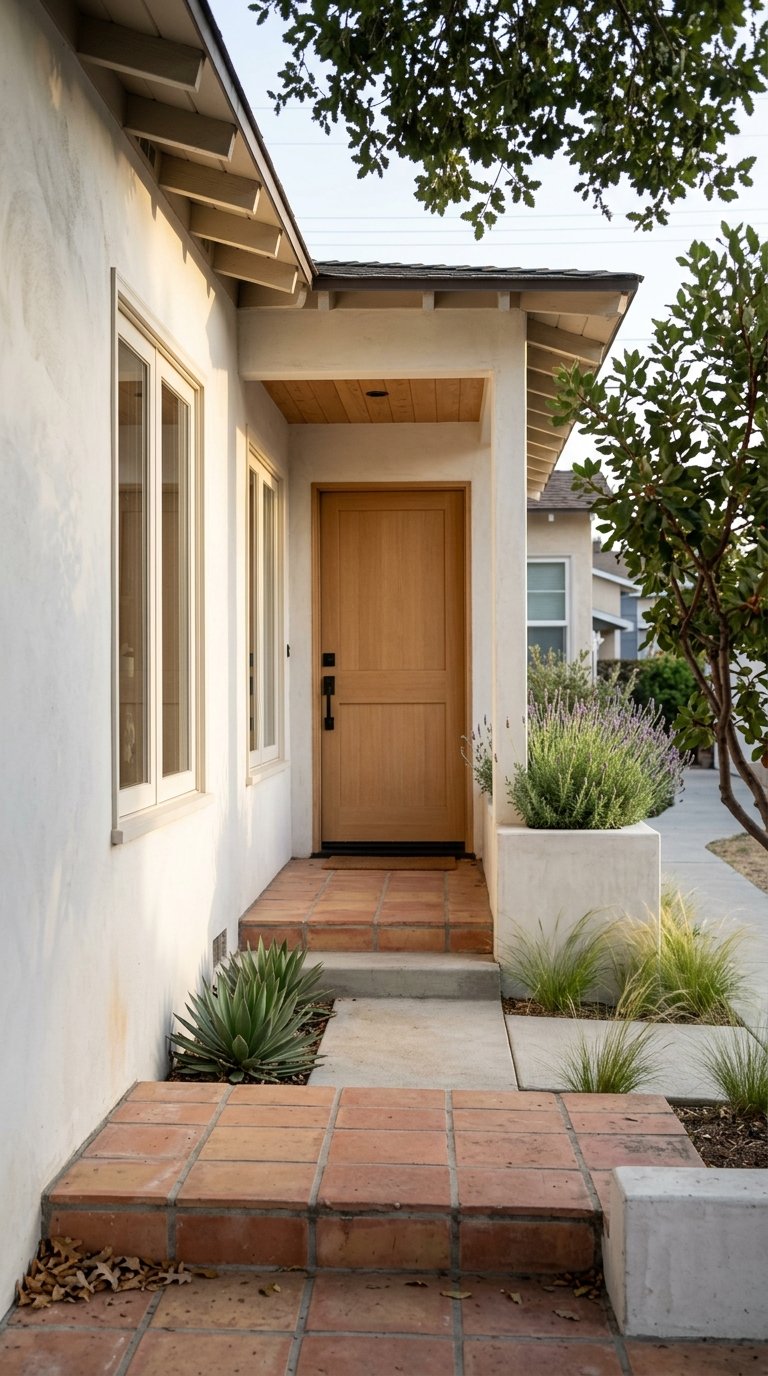
Ever wonder what day-to-day life really feels like in Arroyo Grande’s Village, beyond a quick weekend stop? If you are thinking about moving to Arroyo Grande or simply want a better sense of the area, the Village stands out for its walkable layout, historic character, and easy mix of errands, dining, and community events. Here’s a closer look at what makes everyday life in this part of town feel distinct on the Central Coast.
Arroyo Grande’s historic downtown is planned as the Village Core, with pedestrian travel at the center. The city’s land-use vision supports specialty retail, restaurants, convenience markets, cultural facilities, bed-and-breakfast inns, and outdoor dining, which helps explain why the area feels designed for strolling rather than rushing from parking lot to parking lot.
That planning vision pairs well with the Village’s older built environment. Arroyo Grande’s history dates back to 1897, with incorporation in 1911, and landmarks like the Hoosegow and the historic Swinging Bridge add to the area’s old-town feel. Instead of reading as newly built or generic, the Village feels rooted in place.
One of the biggest lifestyle draws is how many small activities can fit into one outing. You can grab coffee, browse a few shops, stop for lunch, and spend time in a public gathering space without needing to drive between each stop.
That is not just a marketing idea. It reflects both the city’s emphasis on pedestrian travel in the Village Core and the current mix of businesses downtown. For buyers who want a main-street environment with daily convenience, that can be a meaningful quality-of-life factor.
Compared with larger or busier downtown districts, Arroyo Grande Village feels smaller and more subdued. The pace is often more relaxed, which can appeal if you want access to shops and activities without the feel of a high-intensity urban center.
For some people, that tradeoff is the point. You get a historic, walkable core and recurring community traditions, while staying close to the broader Central Coast.
The Village has a broader food-and-drink scene than many people expect at first glance. Current visitor listings include 35 restaurants, 20 local wine businesses, 8 coffee spots, and 7 sweets-and-treats listings, which points to a steady mix of everyday options rather than just a handful of tourist stops.
Local examples include Greenhouse Coffee Company and Mule Bakery & Cafe for coffee, Branch Street Deli and Pizzeria for casual meals, and tasting rooms like Timbre Winery and Verdad & Lindquist Wines on East Branch Street. For everyday living, that means you have variety close at hand for a morning coffee run, an easy lunch, or an impromptu evening stop.
What stands out here is not just the number of businesses, but the way they fit daily life. Outdoor dining, quick coffee stops, and casual sit-down options all support a pattern of using downtown regularly instead of saving it for special occasions.
If you picture a neighborhood where you can head out on foot and decide as you go, the Village is set up well for that kind of flexibility. It feels practical as much as it feels charming.
Shopping in the Village leans local and independent. Rather than chain-heavy retail, you will find antiques, consignment, home goods, gifts, and specialty shops that make downtown browsing feel more personal.
The local thrifting trail highlights places like Branch Street Antiques, The Haven, Hello Village, and The Green Vase. That kind of business mix tends to create a more distinctive shopping rhythm, especially if you enjoy discovering one-of-a-kind items instead of repeating the same national brands.
Part of the Village identity is its quirky local texture. One fun example is the rooster flock near Bridge Street, which has become part of the downtown experience.
These details matter more than they may seem. They give the area personality and help daily routines feel a little less generic.
Everyday life in the Village is not only about storefronts. Public spaces play a big role in how the area functions and how people spend time there.
Centennial Park & Gazebo is one of the key gathering spots. It is known for creekside picnics, includes the historic Swinging Bridge, and on most Saturdays hosts a farmers’ market and often live music from 12:00 to 2:30 p.m.
Heritage Square Park & Bandstand also helps anchor the community calendar. It is used throughout the year for events and supports the free summer concert series, giving the Village another regular public gathering place.
Other nearby options add to the lifestyle mix. Elm Street Park includes a playground and an inclusive playground replacement, and Hart-Collett Memorial Park is described by the city as a short walk from the Village.
Arroyo Grande Recreation Services also offers special events, sports, classes, and facilities. That means the town’s activity level may feel fuller than you would expect from its size.
One reason the Village often feels like a true town center is its recurring traditions. These events are not one-off attractions. They are part of the local rhythm year after year.
The city’s Harvest Festival has been celebrated since 1937 and takes place in the Village area. The Holiday Parade starts on the first Sunday of December, and the Jingle Bell Dash runs through the Village before the parade.
The Village Tree Light display at the entrance also serves as a year-round landmark. For residents, these traditions can make the area feel active and familiar across seasons, not just during peak visitor periods.
For many Central Coast buyers, access to wine country is part of the appeal. In Arroyo Grande, that access is close enough to feel woven into normal life rather than reserved for a full-day outing.
The SLO Coast Wine Collective’s Arroyo Grande Valley trail notes that total drive time among trail wineries is just 15 minutes, with Timbre walkable from the Village. Nearby options include Laetitia, Talley, Center of Effort, and Kynsi.
That convenience changes how the lifestyle feels. You are not looking at a major trip just to enjoy the region’s wine scene. A tasting room visit or winery stop can fit into a relaxed afternoon.
The area is also associated with cool-climate wines, including sparkling wine, Sauvignon Blanc, Pinot Noir, and Chardonnay. If that setting is part of what draws you to the Central Coast, the Village puts you close to it.
If you are relocating, it helps to understand how Arroyo Grande Village differs from other nearby downtown areas. Compared with Downtown San Luis Obispo, Arroyo Grande is smaller and quieter, with less of the bustling downtown energy described in San Luis Obispo.
Compared with Pismo Beach, Arroyo Grande feels more historic main street than beach promenade. You trade pier-focused activity and beachfront bustle for a tree-lined downtown, recurring community events, and a more subdued day-to-day pace.
That balance can appeal to buyers who want character, walkability, and local activity without centering daily life on nightlife or beach crowds. It can also be a strong fit if you value being near both inland wine-country experiences and the coast.
In practical terms, Village-area living offers a pedestrian historic core and steady community use. For many buyers, that combination is what makes Arroyo Grande stand out.
When you explore homes near Arroyo Grande’s Village, you are not just evaluating square footage or finishes. You are also looking at how close you want to be to coffee shops, public events, parks, dining, and the everyday convenience of a walkable downtown.
That is why neighborhood context matters. A home near the Village can offer a lifestyle centered on access and routine, where simple outings feel easy and connected.
If you are weighing Arroyo Grande against other Central Coast options, it helps to look beyond broad labels and focus on how you want your week to feel. For some buyers, the Village’s historic core, regular events, and close wine-country access check that box in a way few nearby areas do.
If you want help understanding how Arroyo Grande fits your goals on the Central Coast, Jay Peet can help you evaluate neighborhoods, lifestyle tradeoffs, and available opportunities with clear, local guidance.
Stay up to date on the latest real estate trends.

Whether it’s the acquisition, sale, or exchange of an investment, a development opportunity, cost segregation, or simply the sale or purchase of a family home, we are here to assist you in accomplishing your goals.